
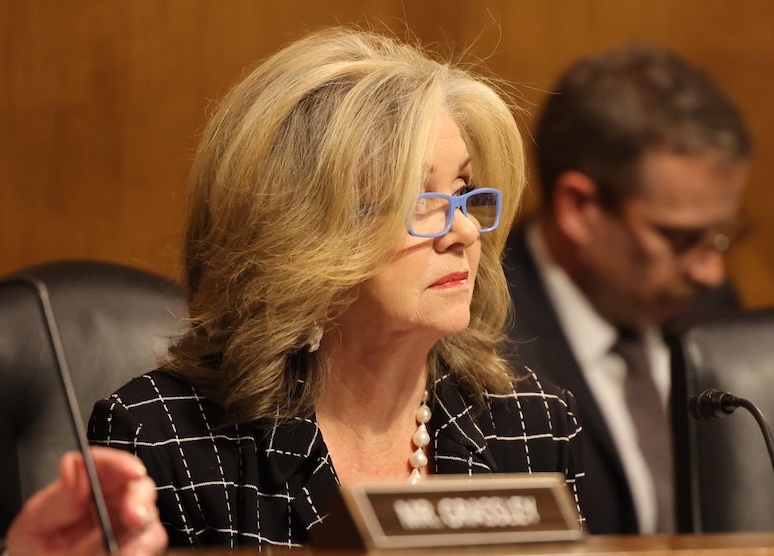
Tennessee – U.S. Sen. Marsha Blackburn is urging Congress to take action following a Supreme Court decision that upheld birthright citizenship, saying the ruling underscores the need for new legislation to address what she describes as abuse of the system.
“This decision should be motivation for Congress to act,” Blackburn said. “My Ban Birth Tourism Act would stop foreign nationals from exploiting our system, a problem that will only get worse.”
She added, “It’s time to protect the integrity and value of American citizenship.”
The comments came after the Supreme Court issued a major ruling striking down an executive order that sought to restrict birthright citizenship for children born in the United States to noncitizen or temporary immigrant parents. The Court reaffirmed the long-standing interpretation of the 14th Amendment, which guarantees citizenship to nearly all individuals born on U.S. soil.
In its decision, the Court rejected the argument that birthright citizenship could be narrowed through executive action alone, reinforcing that any such change would require constitutional or legislative action, NBC News reported.
The ruling marks a significant defeat for efforts to limit automatic citizenship at birth, a policy area that has long been the subject of political and legal debate. According to court documents and reporting, the majority of justices emphasized precedent dating back more than a century, including the 1898 decision in United States v. Wong Kim Ark, which established broad protections for birthright citizenship.
The case stemmed from a challenge to a presidential executive order issued during Trump’s return to office, which attempted to deny citizenship to certain children born in the United States unless at least one parent was a citizen or lawful permanent resident. Lower courts had already blocked the policy before it reached the Supreme Court, according to AP.
Writing for the majority, Chief Justice John Roberts underscored that the Constitution’s Citizenship Clause has consistently been interpreted to extend citizenship to nearly all persons born in the United States, regardless of parental immigration status.
Supporters of the ruling say it reinforces constitutional stability and ensures that citizenship rules remain consistent unless changed through the formal amendment process. Immigration and civil rights advocates have also argued that birthright citizenship is a foundational principle of American law.
Opponents, including Blackburn, argue that the current interpretation encourages what they describe as “birth tourism,” in which foreign nationals travel to the United States specifically to give birth so their children receive citizenship. Blackburn has previously introduced legislation aimed at addressing this issue, framing it as a loophole that should be closed.
Legal experts note that while Congress can debate immigration-related policies, altering birthright citizenship itself would likely face significant constitutional hurdles given the long-established interpretation of the 14th Amendment.
The Supreme Court’s ruling is expected to intensify the political debate over immigration, citizenship, and executive authority, with lawmakers on both sides signaling renewed efforts to shape future policy.
As the decision reverberates through Washington, Blackburn and other lawmakers are expected to continue pushing legislative proposals aimed at tightening immigration rules, while supporters of the ruling defend it as a reaffirmation of constitutional precedent.